ACL Injury: Symptoms, Causes, Treatment & Physiotherapy Recovery
The Anterior Cruciate Ligament (ACL) is one of the most important ligaments in the knee, providing stability during walking, running, jumping, and sudden changes in direction. An ACL injury is common among athletes, fitness enthusiasts, and even individuals involved in everyday activities that place excessive stress on the knee.
Without appropriate treatment and rehabilitation, an ACL injury can lead to chronic knee instability, reduced mobility, and an increased risk of long-term joint problems. Fortunately, with timely diagnosis and a structured physiotherapy program, most individuals can return to their normal activities safely.
What is an ACL Injury?
The ACL is a strong band of tissue that connects the thigh bone (femur) to the shin bone (tibia). It prevents excessive forward movement of the tibia and helps stabilize rotational movements of the knee.
An ACL injury occurs when the ligament is stretched or torn, either partially or completely. Severe injuries often require surgical reconstruction followed by a comprehensive rehabilitation program.
Common Symptoms of an ACL Injury
Symptoms usually appear immediately after the injury.
Common signs include:
- A popping sensation at the time of injury
- Sudden severe knee pain
- Rapid swelling
- Knee instability or "giving way"
- Difficulty walking
- Limited range of motion
- Pain while bearing weight
- Reduced athletic performance
If these symptoms occur after a twisting injury or fall, seek medical evaluation promptly.
Common Causes of ACL Injuries
ACL injuries frequently occur during sports but can also happen during routine activities.
Common causes include:
- Sudden twisting movements
- Rapid changes in direction
- Landing awkwardly after jumping
- Direct impact to the knee
- Pivoting while the foot remains planted
- Road traffic accidents
- Falls
Sports commonly associated with ACL injuries include football, basketball, volleyball, badminton, tennis, skiing, and cricket.
Risk Factors
Several factors increase the likelihood of sustaining an ACL injury.
These include:
- Poor landing mechanics
- Weak leg muscles
- Previous knee injuries
- Poor balance and coordination
- Inadequate warm-up
- Female athletes (due to anatomical and hormonal factors)
- Improper sports technique
How is an ACL Injury Diagnosed?
Diagnosis involves a combination of clinical assessment and imaging studies.
A healthcare professional may perform:
- Medical history review
- Physical examination
- Lachman Test
- Anterior Drawer Test
- Pivot Shift Test
- MRI scan
- X-rays (to rule out fractures)
Early diagnosis helps guide the most appropriate treatment plan.
Treatment Options
Treatment depends on the severity of the injury, age, activity level, and personal goals.
Conservative treatment may include:
- Rest
- Ice therapy
- Compression
- Elevation (RICE)
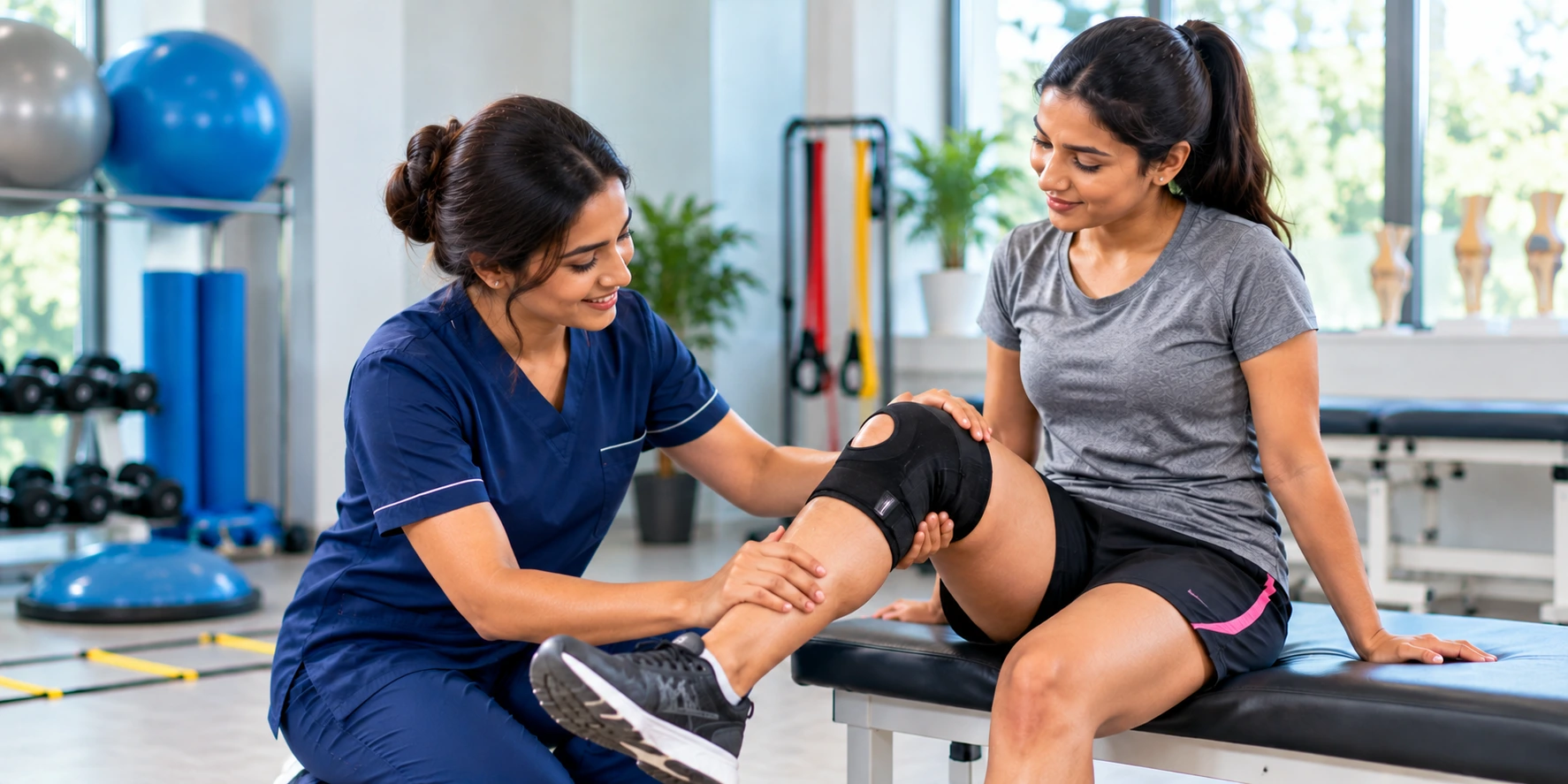
- Knee bracing
- Pain management
- Physiotherapy
Complete ACL tears in active individuals often require ACL reconstruction surgery followed by rehabilitation.
How Physiotherapy Helps
Physiotherapy plays a crucial role in both non-surgical and post-surgical ACL recovery.
Treatment may include:
- Pain management
- Swelling reduction
- Manual therapy
- Joint mobilization
- Range of motion exercises
- Muscle strengthening
- Balance training
- Proprioception exercises
- Functional movement training
- Sports-specific rehabilitation
A personalized rehabilitation plan helps restore knee function safely and effectively.
ACL Rehabilitation Phases
Phase 1: Pain and Swelling Control
Goals include:
- Reduce inflammation
- Restore knee extension
- Improve mobility
- Activate quadriceps muscles
Phase 2: Strength Recovery
Exercises focus on:
- Quadriceps strengthening
- Hamstring strengthening
- Glute strengthening
- Core stability
Phase 3: Balance and Functional Training
Patients begin:
- Single-leg balance
- Step exercises
- Controlled squats
- Walking drills
- Stair training
Phase 4: Return to Sports
Advanced rehabilitation includes:
- Running progression
- Jump training
- Agility drills
- Plyometric exercises
- Sport-specific movement training
Return to sports should only occur after clearance from the treating physiotherapist or orthopedic specialist.
Common ACL Rehabilitation Exercises
Depending on the recovery stage, exercises may include:
- Heel slides
- Quadriceps sets
- Straight leg raises
- Mini squats
- Hamstring curls
- Step-ups
- Wall sits
- Resistance band exercises
- Balance board training
- Lunges
Exercises should always be performed under professional supervision.
Benefits of Physiotherapy
A structured physiotherapy program helps:
- Reduce pain
- Improve knee stability
- Restore range of motion
- Build muscle strength
- Improve balance
- Prevent re-injury
- Improve confidence
- Return safely to work and sports
Tips to Prevent ACL Injuries
You can reduce your risk by:
- Warming up before exercise
- Strengthening leg and core muscles
- Practicing proper landing techniques
- Improving balance and coordination
- Wearing appropriate footwear
- Avoiding sudden increases in training intensity
Preventive exercise programs are especially valuable for athletes.
Frequently Asked Questions
Can an ACL tear heal without surgery?
Partial ACL tears may respond well to physiotherapy and rehabilitation. Complete tears in active individuals often require surgical reconstruction, although treatment decisions depend on lifestyle, knee stability, and activity demands.
How long does ACL recovery take?
Recovery varies depending on the injury and treatment. Non-surgical rehabilitation may take several months, while returning to competitive sports after ACL reconstruction commonly takes 9–12 months with structured physiotherapy.
Is physiotherapy necessary after ACL surgery?
Yes. Physiotherapy is essential after ACL reconstruction to restore knee movement, strength, stability, and function while reducing the risk of future injuries.
When can I return to sports?
Return to sports should be based on functional testing, strength, balance, and medical clearance rather than time alone.
Conclusion
An ACL injury can significantly affect mobility, confidence, and athletic performance, but it does not have to end an active lifestyle. Early diagnosis, evidence-based treatment, and a structured physiotherapy program are key to restoring knee function and preventing long-term complications.
Whether your treatment involves conservative management or ACL reconstruction surgery, consistent rehabilitation under the guidance of an experienced physiotherapist can help you regain strength, stability, and confidence, allowing you to safely return to daily activities and the sports you enjoy.